It almost feels too good to be true.
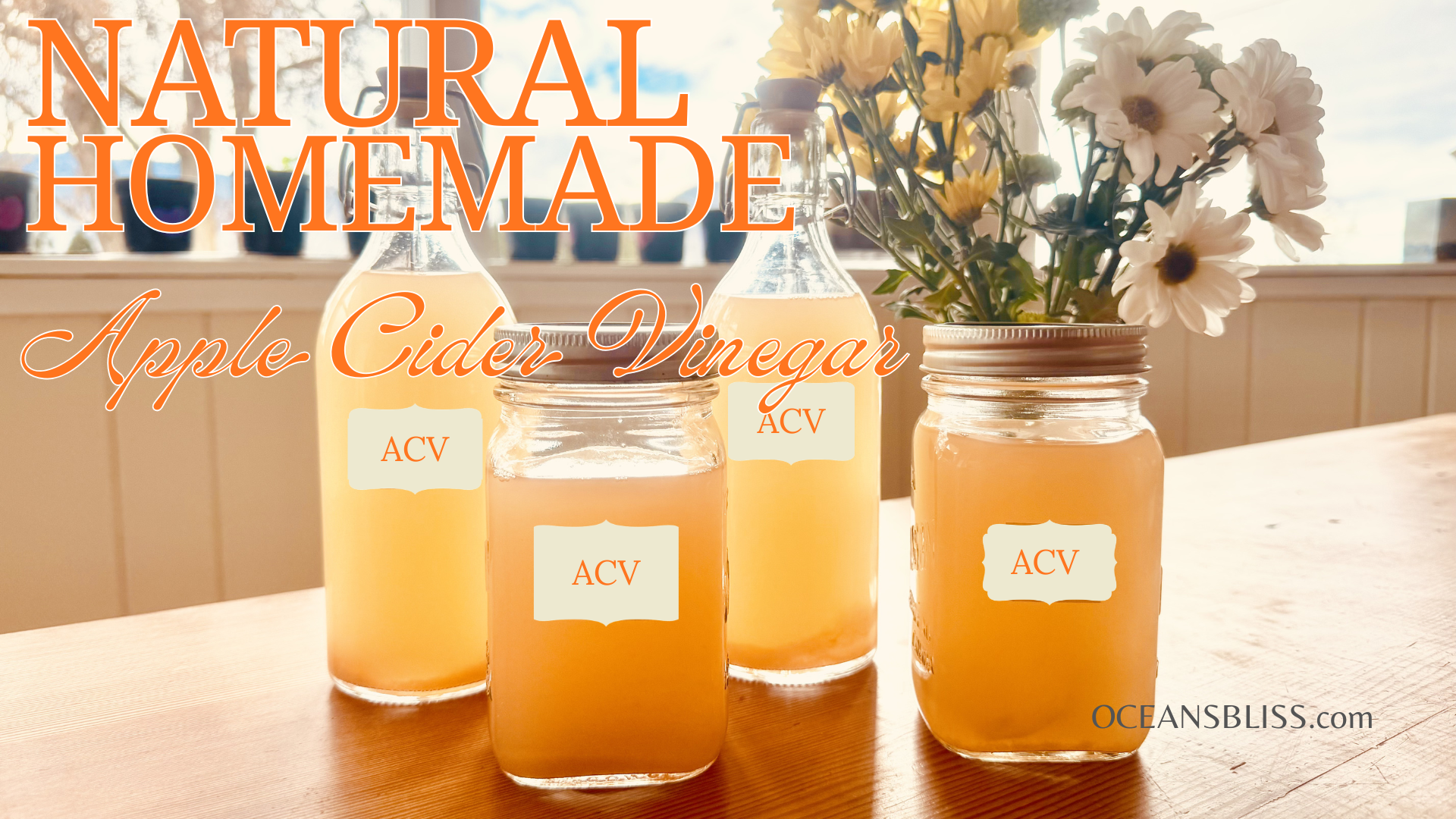
Peels, cores, and leftover apple bits slowly transform into a raw, living vinegar full of natural probiotics and enzymes. And then there’s the mother, that cloudy, jelly-like culture that forms as the vinegar ferments. If you’ve never seen it before, it can look a little strange. But it’s actually a sign of healthy fermentation and a completely natural part of raw vinegar.
The result is unpasteurized, vibrant, and alive… very different from most store-bought vinegars that have been filtered and heat treated. The flavour alone is reason enough to make it. Homemade apple cider vinegar has a depth and softness that’s hard to find in commercial bottles.
 And the best part? You don’t even have to wait for apple season.
Any time you make an apple pie, applesauce, or a crisp, you can toss the peels and cores into a jar and start a batch. It’s one of the easiest old-fashioned kitchen traditions to bring back into your home.
How to Make Homemade Apple Cider Vinegar
You’ll need:
Instructions
-
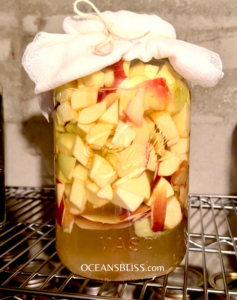
Fill a clean jar about ¾ full with apple scraps.
-
Mix 1 tablespoon organic cane sugar per cup of water and pour over the apples until fully covered.
-
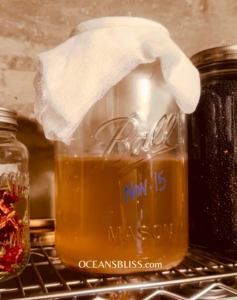
Cover the jar with a breathable cloth or cheesecloth and secure with a rubber band or string.
-
Let it sit at room temperature, out of direct sunlight, for 2–3 weeks, stirring every few days.
-
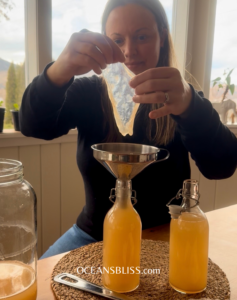
Strain out the apples, then return the liquid to the jar and allow it to ferment another 3–4 weeks (or longer) until it smells pleasantly tangy and vinegary.
-
Bottle your vinegar. It can be stored at room temperature, though many people refrigerate it once it reaches the flavour they like.
A couple simple tips from my kitchen:
-
Always keep the apple scraps fully submerged to prevent mold.
-
If a mother forms, you can leave it in the bottle or strain it out — both are perfectly fine.
-
Save a little finished vinegar to use as a starter for your next batch, which can speed up fermentation.
For something made from scraps, it feels surprisingly luxurious. A jar that started with peels from an apple pie slowly becomes a pantry staple for salad dressings, tonics, cleaning, and preserving.
Simple, traditional, and completely alive, the way so many foods used to be.