
Share The Bliss
5-Minute Sage Remedies & Culinary Uses: A Simple Home Guide

Share The Bliss
Hello Friends!
Our Secret Mountain Remedy: Sage!
Here in the Okanagan, we’re practically surrounded by wild sage. Every year as the hills dry in the summer heat, the scent of sage drifts through the mountainsides. If there’s one herb I’d bring to a deserted island, it would be sage!
Whether you harvest wild sage responsibly or grow culinary sage in your garden, a simple jar of dried sage and a bottle of sage-infused oil can become the foundation for dozens of traditional homemade remedies and pantry staples.
Why Sage? Sage has traditionally been used for sore throats, steam inhalations, digestive support, and topical herbal preparations because of its naturally occurring antimicrobial, anti-inflammatory, and antioxidant compounds.
Traditional herbal guides and home-preserving resources commonly recommend sage for:
- Herbal teas
- Gargles
- Infused oils
- Salves
- Steam inhalations
- Culinary seasoning
- Herbal honey infusions
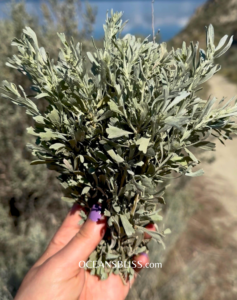
Harvesting Sage
Harvest sage in the morning after the dew dries but before the intense afternoon heat.
Choose:
- Healthy leaves
- Woody stems avoided
- Plants away from roadsides or sprayed areas
Washing
Rinse gently in cool water and pat dry thoroughly. Excess moisture can cause mold during drying or oil infusions.
How to Dry Sage: Air Dry Method
Supplies:
- Kitchen twine
- Dry, airy room
- Paper bag (optional)
Instructions
– Tie small bundles together.
– Hang upside down in a warm, dry place.
– Allow 1–2 weeks until crisp.
– Remove leaves from stems.
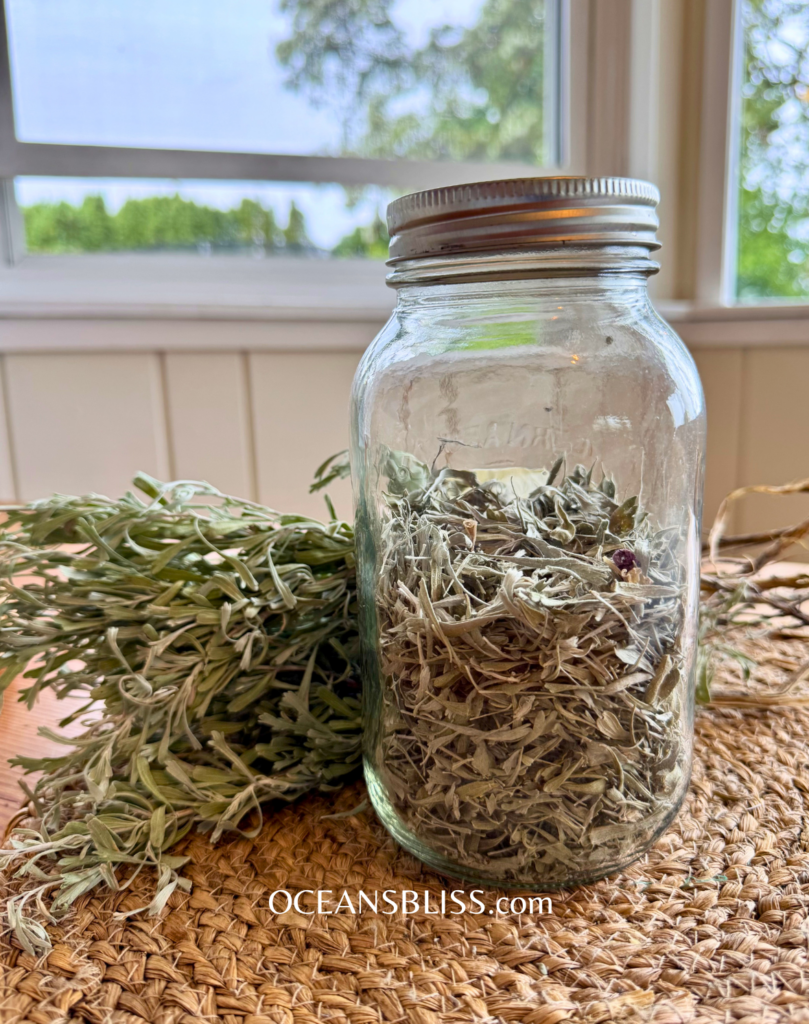
– Store in airtight glass jars.
Storage:
– Clean glass mason jar with lid
Shelf Life
Best potency: 6–12 months
Store away from light and heat
How to Make Sage-Infused Oil
This is the base for salves, creams, massage oils, chest rubs, and even culinary use.
Ingredients
– 1 cup dried sage leaves
– 2 cups olive oil
Container
– Sterilized glass jar with lid
– Dark glass dropper bottles for storage
Important Safety Note
Always use fully dried herbs for oil infusions. Fresh herbs contain water that can encourage bacterial growth and spoilage.
Slow Infusion Method (Recommended)
– Fill jar halfway with dried sage.
– Cover completely with olive oil.
– Stir to remove air bubbles.
– Seal jar loosely.
Store in a cool dark place for 2–4 weeks.
– Shake daily.
– Strain through cheesecloth.
Quick Warm Method
– Combine sage and oil in a heat-safe jar or double boiler.
– Warm gently for 30 minutes on very low heat.
– Do not boil. Once done, let sit in warm pan for an hour.
– Strain and bottle.
Shelf Life
About 6–12 months if stored properly
Keep away from heat and sunlight

5-Minute DIY Sage Remedies
1. Sage Tea
A traditional remedy for sore throats and cold weather comfort.
Ingredients
– 1 tbsp fresh sage OR 1 tsp dried sage
– 1 cup boiling water
– Honey and lemon (optional)
Instructions
– Pour boiling water over sage.
– Steep 5–10 minutes.
– Strain.
– Add honey or lemon if desired.
Container
– Mug
– Tea strainer or jar
Fridge Life
Best fresh
Refrigerate up to 24 hours

2. Sage Gargle
Traditionally used for swollen or irritated throats.
Ingredients
– 1 tbsp dried sage
– 1 cup boiling water
– ½ tsp salt
Instructions
– Steep sage 10–15 minutes.
– Strain.
– Stir in salt.
– Cool until warm.
– Gargle 30 seconds and spit out.
Container
– Glass jar or mug
Fridge Life
Up to 2 days refrigerated
3. Sage & Honey Throat Syrup
(My Favourite)
Ingredients
– ½ cup fresh sage leaves OR ¼ cup dried sage
– 1 cup raw honey
Instructions
– Lightly crush sage.
– Combine with honey in a sterilized jar.
– Let infuse 1–2 weeks.
– Strain if desired.
Quick Method
Warm gently in a double boiler for 30–60 minutes on very low heat.
Container
Small sterilized glass jar
Shelf Life
About 3 months in cupboard
6 months refrigerated
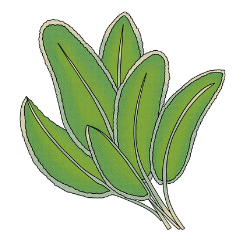
4. Sage Steam Inhalation
Wonderful during cold season.
Ingredients
– Handful fresh sage
– Bowl of hot water
– Towel
Instructions
– Add sage to bowl.
– Pour over hot water.
– Lean carefully over steam.
– Cover head with towel.
– Inhale 5–10 minutes.
Container
Large heat-safe bowl
Sage Throat Spray
Ingredients:
– 1 cup strong sage tea
– 1 tbsp food grade vegetable glycerin or honey
– Optional: squeeze of lemon
Instructions
– Brew a very strong sage tea.
– Cool completely.
– Stir in glycerin or honey.
– Pour into spray bottle.
Container
Small amber spray bottle
Shelf Life: Refrigerated: 1–2 weeks
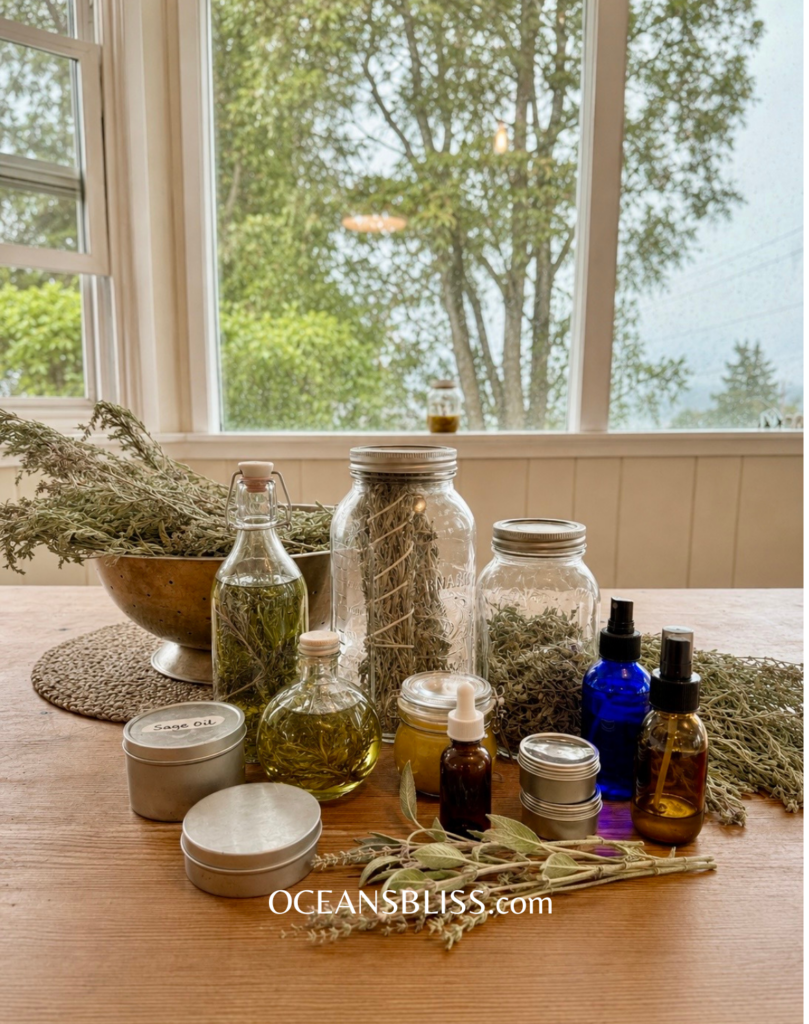
Sage Salve
A classic self-sufficiency staple. This antibacterial and anti-inflammatory salve is made for treating minor skin irritations, dry skin, or for use as a soothing balm.
Ingredients
– 1 cup sage-infused oil
– 1 oz beeswax
Instructions
– Melt beeswax gently.
– Stir in infused oil.
– Pour into tins or jars.
– Let cool completely.
Container
– Metal salve tins or small jars
Shelf Life
6–12 months
Culinary Ways to Use Sage
Sage isn’t only medicinal, it’s one of the best kitchen herbs.
Popular Uses:
– Brown butter sage pasta
– Stuffing
– Roasted potatoes
– Chicken dishes
– Sausage seasoning
– Herbal bread
– Sage focaccia
– Winter soups
– Sage salt
Homemade Sage Salt
Ingredients:
– 1 tbsp dried sage
– ½ cup sea salt
Instructions
– Blend together and store in an airtight container.
Shelf Life
About 1 year
Homemade Sage Butter
Ingredients:
– ½ cup softened butter
– 1 tbsp finely chopped sage
– Pinch salt
Instructions
– Mix together and refrigerate.
– Perfect on roasted vegetables or fresh bread.
Container
– Butter dish or glass jar
Fridge Life
1–2 weeks
Freeze up to 3 months
Simple Self-Sufficiency Tip
If you only make two things from sage this season, make:
1. A jar of dried sage
2. A bottle of sage-infused oil
Those two simple staples can become:
– Teas
– Gargles
– Steam inhalations
– Salves
– Herbal honey
– Throat sprays
– Cooking oils
– Herbal butters
– Bath soaks
One herb, dozens of uses.
And around here in the Okanagan, that feels a little like mountain magic.
I hope you enjoy these recipes! Stay tuned… I’ll also be sharing sage smudge stick ideas and beautiful ways to use sage around the home in everyday natural living.
Disclaimer: Sage is our family’s traditional mountain remedy and these recipes are shared for educational purposes only. They are not intended to diagnose, treat, cure, or prevent illness. Always consult a qualified healthcare professional for medical concerns. This content is shared for informational, inspirational and educational purposes only. Please use appropriate safety precautions and your own judgment when attempting any project. We are not liable for any injury, damage, or loss resulting from use of this information.

Featured Product
‘Harvest-to-Jar’
Realistic Canning Yields: Fruits & Vegetables
Two-page downloadable guide with bonus content!