Share The Bliss
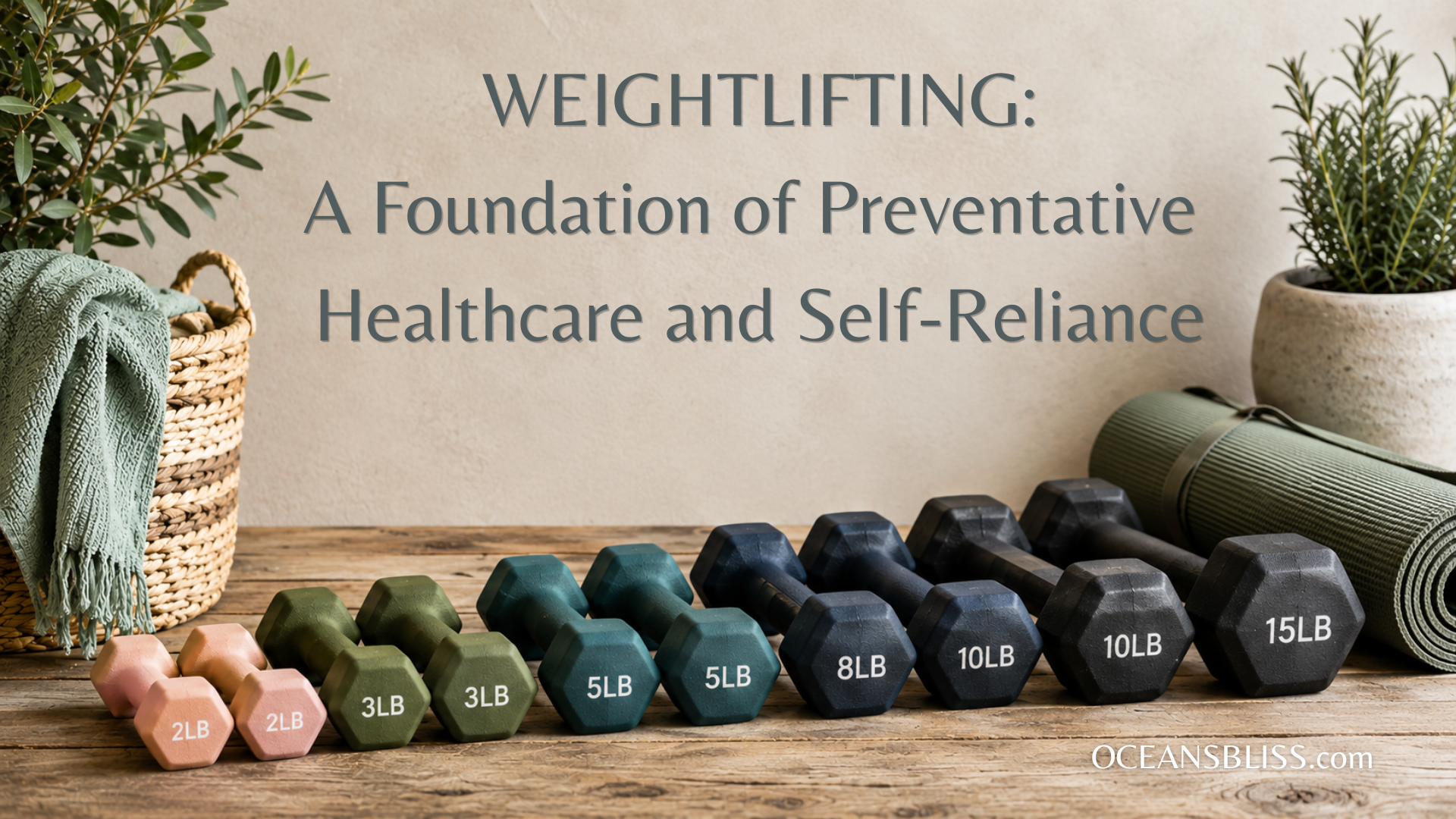
Weightlifting: A Foundation of Preventative Healthcare and Self-Reliance
Share The Bliss
Hello Beautiful Friends!
For most of my life, strength training wasn’t part of my routine. I loved hiking, swimming, yoga, gardening, and being outdoors, but lifting weights never really appealed to me. That changed after I had my daughter. I developed a stubborn case of tendinitis that lingered far longer than I expected. As I learned more about strength training and how it supports our joints, muscles, and long-term mobility, I decided to give it a try.
I haven’t stopped since!
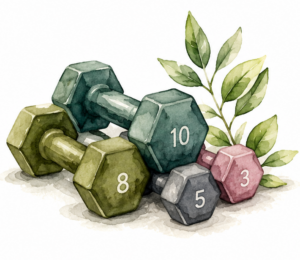
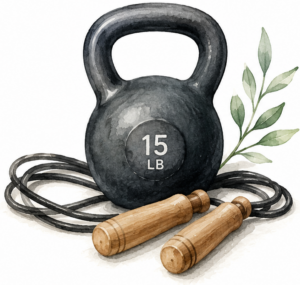
Today I have a simple collection of dumbbells at home ranging from 2 to 15 pounds, a jump rope, and an online workout subscription that keeps things easy and convenient. I usually do one or two strength workouts each week and combine them with walking, yoga, swimming, hiking, or the occasional run.
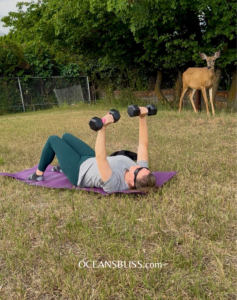
Nothing fancy, just practical. I often bring my weights outside to enjoy nature and spend a little time with Mildred, the deer who regularly visits my garden.
Strength Is One of the Greatest Forms of Self-Reliance
When people think about lifting weights, they often picture building muscle for appearance. That has never been my goal.
I lift weights because I want to continue carrying heavy boxes of garden produce, hauling bags of soil, lifting my pressure canner, stacking firewood, climbing mountains, and one day picking up future grandchildren without hesitation. I want to stay in my own home for as long as possible. I want the freedom to keep doing the everyday things that make life meaningful. To me, that’s what strength is really about.
Why Strength Training Matters as We Age
Beginning around our 30s, we naturally start losing muscle mass if we don’t actively maintain it. Strength training helps slow that process while supporting:
- Stronger muscles for everyday activities
- Better balance and stability
- Healthier bones
- Joint support
- Improved posture
- Easier recovery from falls or injuries
- Greater independence later in life
It’s one of the few habits that continues paying you back year after year.
A Simple Way to Get Started
You don’t need a gym membership or expensive equipment. A pair of light dumbbells is enough.
If you’re brand new, try this two or three times each week:
- 8-10 bodyweight squats
- 8-10 wall or countertop push-ups
- 8-10 dumbbell rows (each arm)
- 8-10 overhead presses
- 20-30 second plank (or modified plank)
Start with one round and focus on good technique rather than heavy weights. As it becomes easier, gradually increase the weight or add another round. Even a few sessions each week can make a noticeable difference over time.
Strength Fits Naturally Into a Seasonal Life
One of the reasons I enjoy strength training is because it supports everything else I love.
It helps me garden longer. Carry harvest baskets. Lift full canning pots. Move furniture. Go on bigger adventures. Keep up with everyday life.
It isn’t separate from the life I’m trying to build—it helps make that life possible.
Prevention Is a Lifestyle
After being diagnosed with a lifelong condition in my early twenties, I made a decision to focus on prevention rather than waiting for problems to appear.
That philosophy has shaped much of my life ever since.
I choose homemade food, spend time outdoors, keep learning, grow herbs, use simple natural products, and now I prioritize strength training too.
None of these habits need to be perfect. They simply need to become part of everyday life.
If you’ve been thinking about picking up a pair of dumbbells, let this be your sign. Not to change how you look. But to protect the life you’re building.
Because one of the greatest gifts we can give our future selves is the strength to remain capable, independent, and ready for whatever adventures the next season brings.
Disclaimer: This article is intended for general educational purposes only and is not medical advice. Always consult your healthcare provider before beginning a new exercise program, especially if you have an existing medical condition, injury, or concerns about your health. Start at a pace that feels appropriate for you and progress gradually.

Featured Product
‘Harvest-to-Jar’
Realistic Canning Yields: Fruits & Vegetables
Two-page downloadable guide with bonus content!