Share The Bliss
Growing, Drying, and Storing Your Own Herbs: A Beginner's Guide
Share The Bliss
Hello Beautiful Friends!
One of the easiest ways to become more self-sufficient is to grow and dry your own herbs. Many common culinary and medicinal herbs are incredibly easy to grow, require very little space, and can provide you with a year’s worth of teas, seasonings, infused oils, salves, and homemade remedies from just a few plants.
If you’ve ever wanted to start an herb garden but felt overwhelmed, the good news is that you don’t need dozens of plants. A handful of reliable herbs can provide a surprising amount of value throughout the year.
Why Grow Your Own Herbs?
Growing your own herbs allows you to:
– Know exactly how your herbs were grown.
– Harvest them at peak freshness.
– Save money on dried herbs and herbal teas.
– Create your own herbal remedies.
– Preserve seasonal abundance for year-round use.
– Learn useful self-sufficiency skills.
– Many herbs are also attractive garden plants that attract pollinators and beneficial insects.
Easy Herbs Every Beginner Can Grow
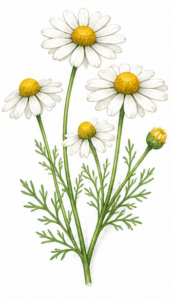
1. Chamomile
Chamomile is one of the easiest herbs to grow from seed. The flowers are harvested and dried for tea and herbal preparations.
Uses:
Tea
Bath blends
Herbal oils
2. Calendula
Calendula produces cheerful orange and yellow flowers throughout the season.
Uses:
Salves
Oils
Lotions
Skin-care products
Harvest flowers regularly to encourage continuous blooming.
3. Lavender
Lavender is a long-lived perennial that provides years of harvests once established.
Uses:
Sachets
Tea blends
Herbal bundles
Bath products
4. Lemon Balm
This vigorous member of the mint family grows easily and often returns year after year.
Uses:
Tea
Tinctures
Herbal blends
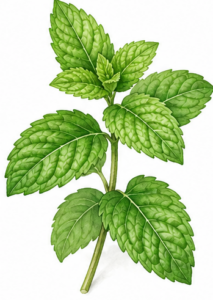
5. Mint
Mint is nearly foolproof to grow.
Because it spreads aggressively, many gardeners prefer growing it in containers.
Uses:
Tea
Cooking
Herbal infusions
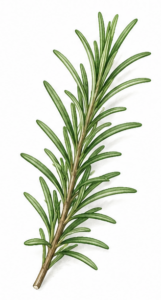
6. Rosemary
Rosemary can be grown outdoors in warm climates or brought indoors during winter in colder regions.
Uses:
Cooking
Hair rinses
Herbal oils
Herbal bundles
7. Sage
A hardy perennial that provides fresh leaves for years.
Uses:
Cooking
Herbal bundles
Tea blends
8. Thyme
A drought-tolerant herb that grows well in containers and garden beds.
Uses:
Cooking
Tea blends
Herbal infusions
When to Harvest Herbs
The best time to harvest most leafy herbs is before flowering when essential oils and flavour are often at their peak. They can still be harvested once flowered and throughout the season.
For flowering herbs such as chamomile, lavender, and calendula, harvest when flowers are fully open and fresh.
GENERAL GUIDELINES:
– Harvest in the morning after dew has dried.
– Avoid harvesting during rain or immediately afterward.
– Choose healthy, undamaged plant material.
– Use clean scissors or pruners.
How to Dry Herbs
Drying herbs is one of the simplest preservation methods available.
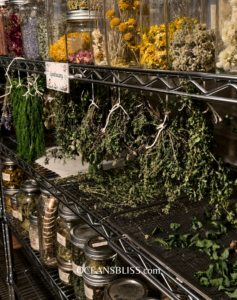
1. Air Drying Method
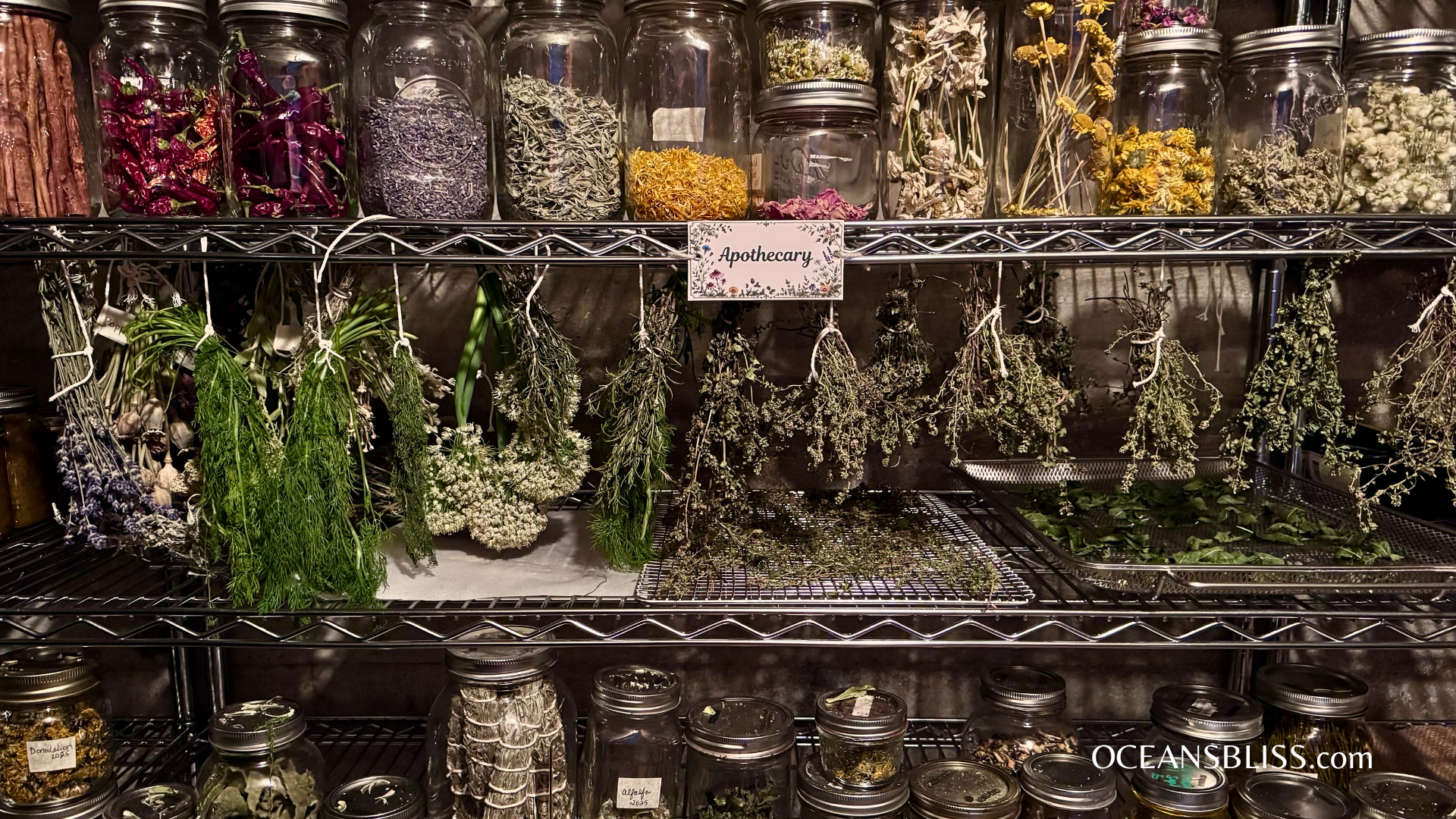
This is my preferred method for most herbs.
Step 1: Harvest
Gather healthy stems and remove damaged leaves.
Step 2: Make Small Bundles
Tie stems together in small bunches using twine or elastic bands.
Avoid making large bundles, as thick bunches can trap moisture.
Step 3: Hang to Dry
Hang bundles upside down in:
A warm room
Good airflow
Low humidity
Out of direct sunlight
Direct sun can fade color and reduce aroma.
Step 4: Wait
Drying typically takes:
1–3 weeks for leafy herbs
2–4 weeks for thicker stems and flowers
Herbs are ready when leaves crumble easily between your fingers.
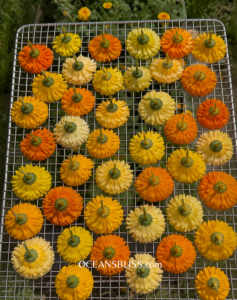
2. Drying Herbs on Screens
Some herbs dry better spread out.
This method works particularly well for:
– Calendula petals
– Chamomile flowers
– Lemon balm leaves
– Mint leaves
– Spread herbs in a single layer on a screen, drying rack, or clean tray and allow air to circulate around them.
Can You Use a Dehydrator?
Yes.
A dehydrator is helpful in humid climates or during rainy weather.
Use the lowest temperature setting possible, generally around:
95–115°F (35–46°C)
Higher temperatures can reduce aroma and quality.
How to Remove Dried Herbs for Storage
Once your herbs are completely dry, it’s time to remove the usable portions and prepare them for storage. Check that the herbs are fully dry. Leaves should crumble easily between your fingers and stems should snap rather than bend. Work over a large bowl, tray, or clean baking sheet. This catches any leaves that fall during processing. Remove leaves from stems. Hold the stem near the top and gently pull downward with your fingers. Most leaves will strip off easily. Separate out large stems. Discard tough, woody, or thick stems, keeping the leaves, flowers, and tender stems if desired. Leave herbs whole when possible. Whole leaves generally retain their flavour, aroma, and quality longer than crushed herbs. Crush them only when you’re ready to use them.
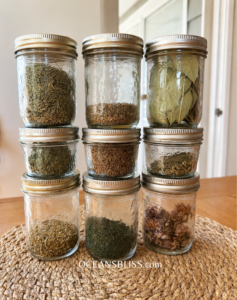
For flowers such as chamomile or calendula, simply remove the dried flower heads or petals from the drying rack and transfer them directly to storage. Check for any debris. Remove any damaged pieces, insects, or plant material you don’t want stored. Transfer to clean, dry glass jars. Mason jars work perfectly. Fill the jars loosely rather than packing the herbs tightly. Label each jar. Include: herb name, harvest date, Optional harvest location or variety Store in a cool, dark place. A pantry, cupboard, or cold room is ideal. Avoid direct sunlight, heat, and moisture.
A Simple Rule
If you’re storing herbs for tea, cooking, oils, or remedies, keep them as whole as possible until you’re ready to use them. Whole leaves and flowers typically stay fresher and more aromatic than herbs that have been crushed or powdered before storage.
How to Store Dried Herbs
Proper storage makes a huge difference in preserving quality. Best Containers to store herbs in are: glass jars, mason jars, amber glass jars, metal tins with tight-fitting lids. Avoid plastic bags for long-term storage whenever possible. Keep herbs away from direct sunlight, heat, moisture and humidity.
How Long Do Dried Herbs Last?
Most dried herbs maintain good quality for approximately:
1–2 years when stored properly
Leafy herbs often lose potency more quickly than roots and seeds.
A simple test is to crush a small amount between your fingers.
If the herb still smells strongly aromatic, it is usually still useful.
A Few Herbs Worth Drying Every Year
If I could only choose a handful of herbs to grow and dry each season, they would be:
- Chamomile
- Calendula
- Lavender
- Lemon balm
- Mint
- Rosemary
- Sage
- Thyme
- Mullein
Together, these herbs can be used for teas, cooking, infused oils, salves, herbal bundles, bath products, and many other homemade projects.
Start Small
One of the biggest mistakes new herb gardeners make is trying to grow everything at once. Instead, choose three or four herbs you know you’ll use regularly. Learn how they grow. Learn when to harvest them. Learn how to dry and store them. Before long, you’ll have a shelf full of homegrown herbs and a valuable skill that can serve you for years to come.

Featured Product
‘Harvest-to-Jar’
Realistic Canning Yields: Fruits & Vegetables
Two-page downloadable guide with bonus content!