Share The Bliss
Natural Produce Washing Guide: Understanding Pesticides & Organic Produce

Share The Bliss
Hello Friends!
Living in the mountains of British Columbia surrounded by orchards gave me a very different perspective on food growing up. As a teenager, I often worked fruit picking during harvest season. One thing I noticed quickly was that whenever I picked in conventional orchards that were heavily sprayed, I would often feel sick from the pesticides drifting through the air and settling on my skin and hands.
That experience shaped how I approach food today.
I still absolutely believe fruits and vegetables are some of the healthiest foods we can eat, but I also believe we should be informed consumers, properly wash our produce, and understand the difference between surface contamination and what can actually be absorbed into the plant itself.
The Reality About Pesticides on Produce
According to the U.S. Food & Drug Administration (FDA), fruits and vegetables can become contaminated from soil, water, handling, transportation, and pesticide use during farming. The FDA recommends washing all produce thoroughly under running water before eating or preparing it.
However, there’s an important distinction many people don’t realize: Some pesticide residue sits on the surface. This can often be reduced by proper washing and scrubbing. Some pesticides become systemic. Certain pesticides are absorbed through the root system and move throughout the plant tissues themselves. Once pesticides penetrate beyond the skin or peel, washing cannot completely remove them. Studies have shown that some residues remain inside produce even after extensive washing.
This is one reason many people choose organic produce whenever possible, especially for crops known to carry higher pesticide residues.
What Is the “Dirty Dozen”?
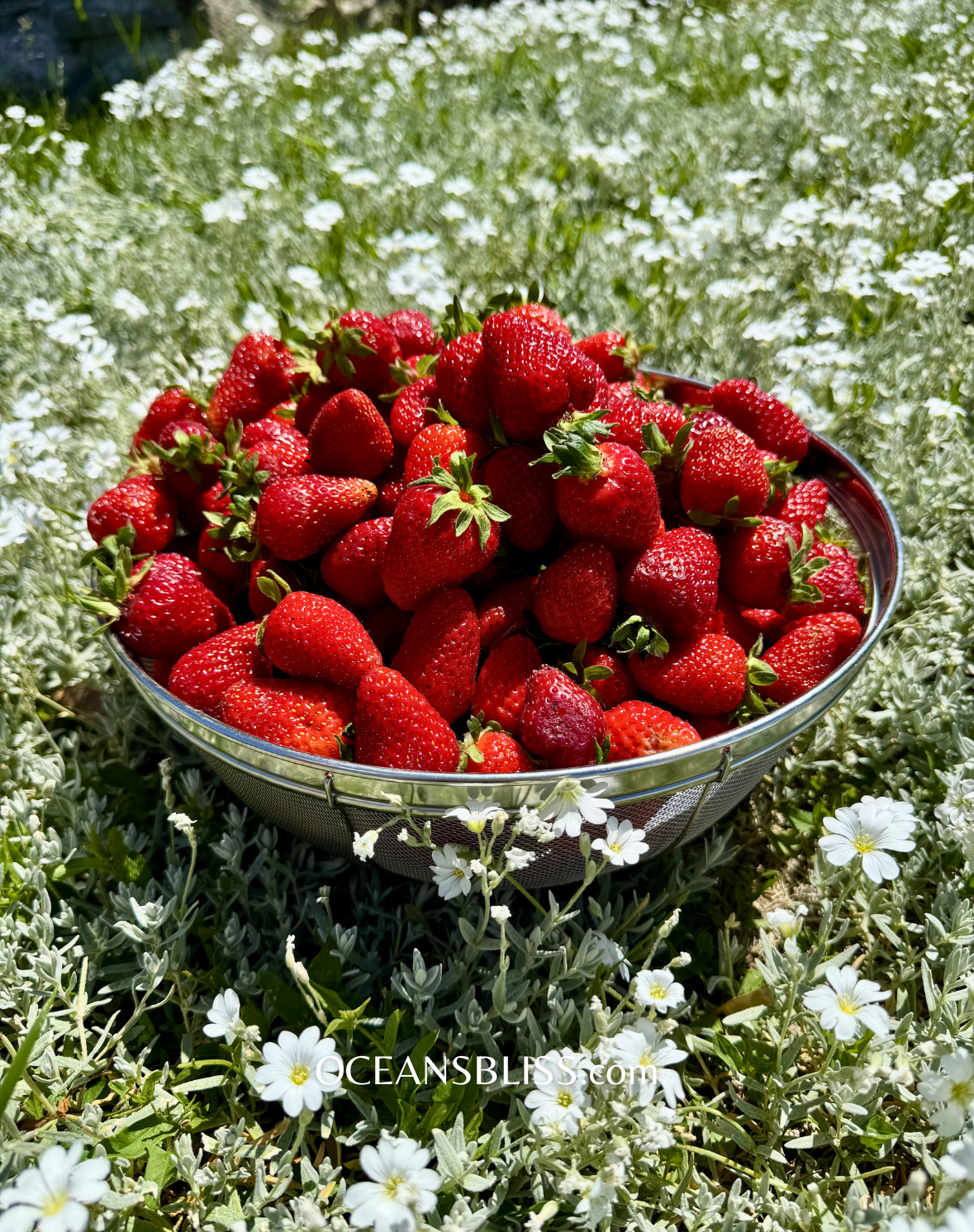
The “Dirty Dozen” is an annual list published by the Environmental Working Group (EWG), analyzing USDA pesticide testing data on produce. The list highlights fruits and vegetables that tend to carry the highest levels of pesticide residues after washing.
Common produce often appearing on the Dirty Dozen includes:
- Strawberries
- Spinach
- Kale & leafy greens
- Grapes
- Apples
- Peaches
- Nectarines
- Cherries
- Pears
- Blueberries
- Potatoes
The EWG reports that many conventionally grown produce samples still contain multiple pesticide residues even after being washed and prepared as consumers normally would at home.
That said, it’s also important to understand that some scientists and organizations criticize the Dirty Dozen methodology, arguing that most pesticide levels found remain within government safety limits.
Why I Personally Prioritize Organic for Certain Foods
After years around orchards, spray seasons, and agricultural growing regions in BC, I personally prioritize organic produce whenever possible, especially for thin-skinned fruits and leafy greens.
Organic does not mean pesticide-free, but organic farming standards restrict many synthetic pesticides and GMOs. Organic farming also generally focuses more on soil health, biodiversity, and natural pest management practices.

Foods I Try To Buy Organic First
- Berries
- Apples
- Grapes
- Leafy greens
- Peaches & nectarines
- Cherries
- Pears

Foods I’m Less Concerned About Conventionally but I still opt for Organic whenever possible:
- Avocados
- Bananas
- Pineapple
- Onions
- Cabbage
- Sweet corn
- Asparagus
These are often listed among produce with lower pesticide residues because of thicker peels or growing characteristics.
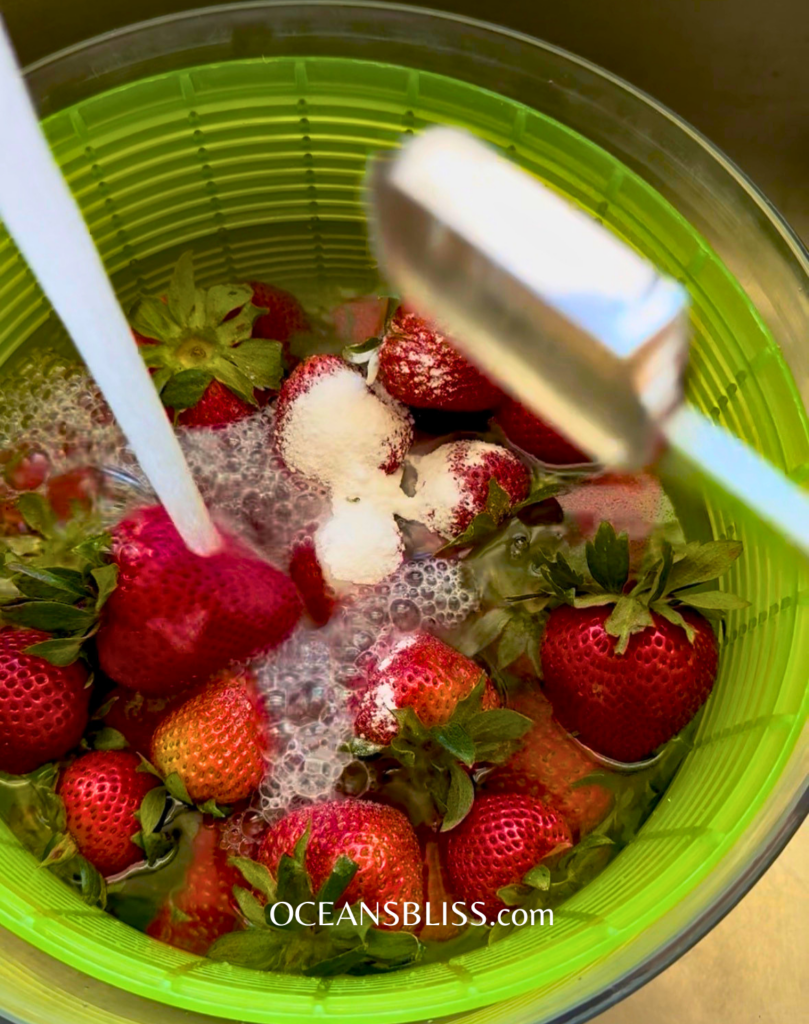
Produce Washing Guide: Vinegar & Baking Soda Methods
While cool running water is still the official FDA recommendation for washing produce, many people also use vinegar rinses or baking soda soaks to help reduce surface bacteria, dirt, wax, mold spores, and some pesticide residues.
It’s important to understand that these methods may help reduce surface residue, but they cannot fully remove systemic pesticides that have been absorbed inside the fruit or vegetable through the plant itself.
1. Cool Running Water (FDA Recommended Base Method)
Best for:
– Everyday produce washing
– Most fruits and vegetables
– Delicate produce
Instructions:
– Rinse produce under cool running water for 20–30 seconds
– Gently rub produce with clean hands
– Use a produce brush for firm fruits and vegetables
– Dry with a clean towel or salad spinner

2. Vinegar Soak Method
A vinegar rinse is commonly used to help reduce bacteria, mold spores, and extend the shelf life of berries and greens.
Best for:
– Strawberries
– Blueberries
– Blackberries
– Grapes
– Leafy greens
Instructions:
Mix:
– 1 part white vinegar
– 3 to 4 parts cold water
– Soak produce for 10 minutes
– Gently swish occasionally
– Rinse thoroughly afterward with fresh cold water to remove vinegar taste
– Dry completely before storing, I often lay the fruit or veg out on a towel to dry before storing
My Personal Method
For strawberries and blueberries, I often use baking soda soak followed by a thorough rinse in a salad spinner. Proper drying is one of the biggest factors in helping berries last longer in the fridge.
3. Baking Soda Soak Method
Research has shown baking soda may help break down and reduce certain surface pesticide residues more effectively than water alone on some produce, particularly apples.
Best for:
– Apples
– Grapes
– Cucumbers
– Peppers
– Firm-skinned produce
Instructions
Mix:
– 1 teaspoon baking soda
– 2 cups cold water
– Soak produce for 15 minutes
– Gently rub or scrub produce during soaking if appropriate
– Rinse thoroughly afterward under clean running water
– Dry before storing
4. Leafy Greens Washing Method
Leafy greens can trap dirt, grit, insects, and spray residue between layers.
Instructions
– Remove damaged outer leaves
– Separate leaves individually
– Fill a large bowl or clean sink with cold water
Optional:
– Add a splash of vinegar
– Swish greens gently
– Let dirt settle to the bottom for a few minutes
– Lift greens out rather than dumping water over them
– Rinse again under running water
– Dry thoroughly using a salad spinner or towel
5. Root Vegetables
Root vegetables grow directly in soil and often hold more dirt and bacteria.
Best for:
– Potatoes
– Carrots
– Beets
– Radishes
Instructions
– Rinse under running water
– Scrub thoroughly using a vegetable brush
– Remove damaged areas
– Peel if desired
Important Notes
Never wash produce with soap, bleach, or household cleaners. Produce is porous and can absorb cleaning chemicals.
Wash produce before eating or preserving, but washing too early can shorten shelf life for delicate fruits.
Dry produce well before refrigerating to reduce mold growth.
Washing helps reduce surface contaminants, but no washing method can completely remove pesticides absorbed internally through systemic agricultural spraying.
A Balanced Perspective
I don’t believe people should fear fruits and vegetables. Eating fresh produce is still one of the healthiest things we can do.
But I do believe:
– We should wash produce properly
– We should understand how pesticides work
– We should support cleaner farming whenever possible
– We should prioritize organic strategically if budget allows
– And we should reconnect with growing our own food, local growers and seasonal food systems
Living in BC orchard country taught me that what happens in agriculture is very real, not just something written on labels in grocery stores.
When you’ve stood in the rows during spray season, breathed it in, and felt it on your skin, you gain a completely different appreciation for knowing where your food comes from.
DIY Disclaimer: This content is shared for informational, inspirational and educational purposes only.Please use appropriate safety precautions and your own judgment when attempting any project. We are not liable for any injury, damage, or loss resulting from use of this information. This guide reflects the methods I personally use in my own home.
With Bliss xo


Featured Product
‘Harvest-to-Jar’
Realistic Canning Yields: Fruits & Vegetables
Two-page downloadable guide with bonus content!