Share The Bliss
Easy DIY Soil pH Test Using Red Cabbage
Share The Bliss
Hello Beautiful Friends!
Before planting season begins, it helps to understand one simple thing about your soil: pH. Soil pH affects how easily plants can absorb nutrients. Even if your soil is rich in compost and organic matter, plants can struggle if the pH is too far outside their preferred range.
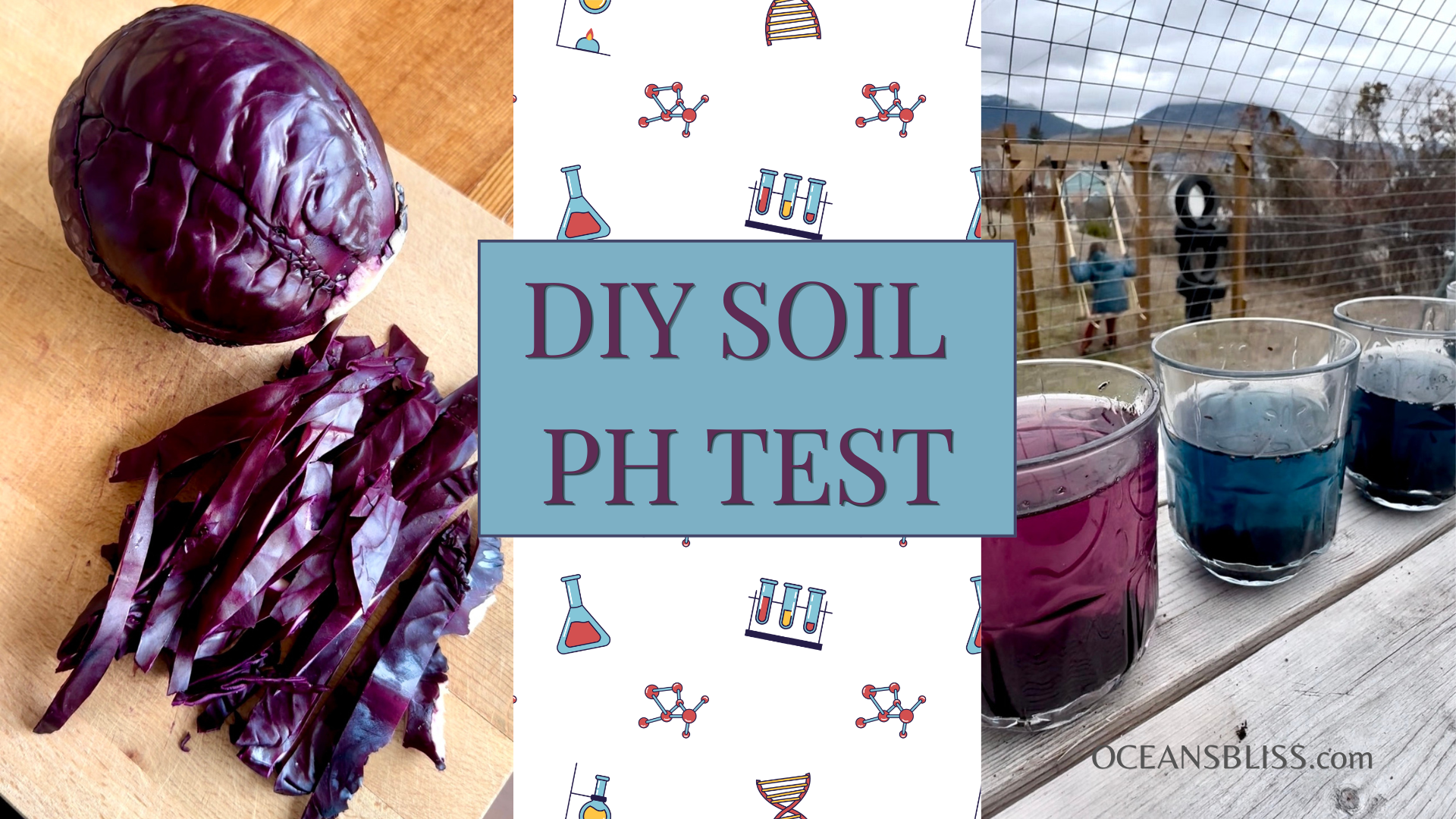
A quick and surprisingly accurate way to get a general idea of your soil’s pH is with red cabbage. It’s an old kitchen science trick that works because red cabbage contains natural pigments (anthocyanins) that change colour depending on acidity.
It’s simple, inexpensive, and honestly a fun experiment to do with kids as the garden season begins.
How to Do the Red Cabbage Soil Test
1. Make the indicator
Chop a small red cabbage and place it in a pot with water.
Bring it to a boil for a few minutes, then turn off the heat and let it steep until the water turns a deep purple.
2. Strain and cool
Strain out the cabbage pieces and allow the purple liquid to cool. This liquid is your natural pH indicator.
3. Test your soil
Place a small soil sample in a clear glass or jar.
Pour a little of the cabbage liquid over the soil and stir gently.
Let it sit for a couple of hours and watch what happens.
What the Colour Means
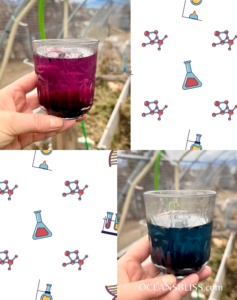
The liquid will shift colour depending on the soil’s acidity.
🟥 Pink / Red → Acidic soil
🟪 Purple → Neutral soil
🟦 Blue → Close to neutral
🟦🟩 Blue-Green → Slightly alkaline
🟩 Green → Alkaline
🟨 Yellow → More strongly alkaline
This test won’t give an exact pH number like a lab test, but it gives a good general idea of what your soil tends toward, which is often all a home gardener needs to plan plantings.
Ideal Soil pH for Most Garden Vegetables
Most vegetables grow best in slightly acidic to neutral soil, usually between pH 6.0 and 7.0. In this range, nutrients like nitrogen, phosphorus, and potassium are most available to plants.
When soil becomes too acidic or too alkaline, plants can struggle to absorb these nutrients, even if they are present in the soil.
Plants That Prefer Different Soil Conditions
While most vegetables are fairly adaptable, some crops do noticeably better in certain pH ranges.
Acidic soil
-
Blueberries
-
Strawberries
-
Potatoes
-
Radishes
-
Cranberries
-
Rhubarb
-
Parsley
-
Turnips
-
Ornamental shrubs like rhododendrons and camellias
Slightly acidic to neutral soil (pH 6.0–7.0)
Most common garden vegetables grow well here.
-
Broccoli
-
Cabbage
-
Carrots
-
Cucumbers
-
Lettuce
-
Onions
-
Peppers
-
Radishes
-
Squash
Neutral soil
-
Carrots
-
Beans
-
Peas
-
Lettuce
-
Tomatoes
Slightly alkaline soil
-
Cabbage
-
Spinach
-
Cauliflower
-
Kale
-
Beets
Why This Test Is Worth Doing
Testing soil helps take some of the guesswork out of gardening. If you know your soil leans acidic or alkaline, you can choose crops that naturally thrive there or make simple amendments before planting.
But beyond that, this little red cabbage experiment is also just a great way to kick off the gardening season. It’s simple, visual, and turns soil science into something you can see happening right in the jar.
Sometimes the best gardening tools are already sitting in the kitchen.
With Bliss x
DIY Disclaimer: This content is shared for informational, inspirational and educational purposes only. Please use appropriate safety precautions and your own judgment when attempting any project. This guide reflects the methods I personally use in my own home.


Featured Product

Handmade in Penticton,BC