Share The Bliss
The Tomato Harvest: Canning + Preserving Guide
Share The Bliss
Hello Beautiful Friends!
Tomato season is one of my favourite times to preserve food because tomatoes can become so many different things. Whole tomatoes, sauce, juice, salsa, paste, soup bases, jam, even the little cherry tomatoes that seem to take over the garden by September get canned!
You don’t need perfect tomatoes or one specific variety. What matters is choosing good quality tomatoes and matching it to what you’re making. Here are the things worth knowing before you start.
Start With Good Tomatoes
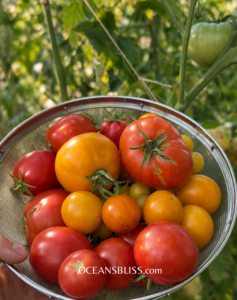
For canning, choose firm, ripe, disease-free tomatoes. I love a good deal, but sometimes those canning discount bins are not worth it!
Skip tomatoes that are moldy, badly damaged, overripe or harvested from dead or frost-killed vines. This isn’t just about quality, damaged and over-mature tomatoes can affect the safety and acidity of your finished product.
And don’t assume heirloom tomatoes are naturally more acidic. They still need to be treated the same way as other tomatoes when canning.
Which Tomatoes Are Best?
1. Roma + paste tomatoes
These are my first choice for:
– Tomato sauce
– Pizza sauce
– Tomato paste
– Salsa
– Ketchup
– Thick tomato bases
They have more flesh, fewer seeds and less water, which means you don’t have to cook them nearly as long to get a thick sauce.
2. Beefsteak + slicing tomatoes
Great for:
– Whole or halved tomatoes
– Crushed tomatoes
– Tomato juice
– Soups
– Sauce
3. Mixed tomato batches: They’re much juicier than paste tomatoes, so expect sauces to take longer to reduce.
4. Heirloom tomatoes: Use them! They’re wonderful mixed into sauces, crushed tomatoes and other tested tomato recipes. Their different colours and flavours can make a really good tomato base.
5. Cherry + grape tomatoes: Don’t overlook these because they’re small.
When the garden is producing bowls of cherry tomatoes, I like finding ways to preserve them rather than letting them go to waste.
Think:
– Tomato sauce
– Tomato juice
– Tomato paste
– Tested tomato jam
– Tested salsa
– Freezing for later sauce-making
For shelf-stable canning, don’t simply substitute whole cherry tomatoes into a recipe developed for larger tomatoes unless the tested recipe allows it. Size, skins, density and packing can affect heat penetration.
Affiliate Disclosure: This post contains affiliate links. I may earn a small commission from qualifying purchases at no extra cost to you. As an Amazon Associate I earn from qualifying purchases. Click the highlighted links to shop my pick!
Do You Really Have to Peel Tomatoes?
For most canned tomato recipes, yes. This isn’t simply because someone decided tomato skins don’t look nice in a jar. Most traditional processing times were tested using peeled tomatoes. Leaving the skins on changes the product being processed and may affect how heat moves through the jar. Peeling also removes some microorganisms from the surface and usually gives sauces and whole tomatoes a nicer texture. But that doesn’t mean every tomato needs to be individually peeled for every tomato product.
Some recipes specifically allow tomatoes to begin with their skins on. For example, tomato paste can be cooked with the skins and then put through a fine food mill or sieve, removing the skins and seeds before the final product is canned. Personally, I make many of my canned tomato recipes with the skins on. I’ll admit, on busy or lazy days I often skip peeling altogether, especially when I’m working with cherry tomatoes.
The Fastest Way to Peel Tomatoes
Bring a large pot of water to a boil. Drop your tomatoes in for about 30–60 seconds, or just until the skins begin to split.
Move them immediately into cold water. The skins should slip right off. Don’t boil them unnecessarily. You’re loosening the skin, not trying to cook the tomato.
Acidifying Tomatoes
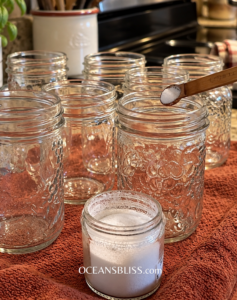
This is one step I don’t skip. Tomatoes can fall close to or above pH 4.6, so current home-canning recommendations call for acidifying whole, crushed and juiced tomatoes, including when using pressure-canning options.
Add directly to each jar:
Pints:
1 tbsp bottled lemon juice OR
¼ tsp citric acid
Quarts:
2 tbsp bottled lemon juice OR
½ tsp citric acid
I prefer citric acid when I don’t want lemon flavour coming through. If you find the finished tomatoes a little tart, a small amount of sugar can balance the flavour. Don’t reduce the required acid.
Salt Isn’t What Makes Tomatoes Safe
Salt is optional in plain canned tomatoes. It’s there for flavour, not preservation. That means you can reduce it or leave it out when the tested recipe lists it as optional.
Water Bath or Pressure Canner?
Tomatoes are interesting because tested recipes exist for both boiling-water – Shop Canning Stockpot Here and pressure canning. – Shop my Favourite Pressure Canner Here
Neither method gives you ‘permission’ to change the recipe. The processing method, jar size, tomato preparation, packing liquid, processing time and altitude all work together.
Raw Pack vs. Hot Pack
Raw pack means the prepared tomatoes go into the jars raw before processing. Hot pack means they’re heated first. I often like hot packing because the tomatoes soften and settle before they go into the jars. You can generally get a better pack with less floating. But use whichever method your tested recipe specifies.
Don’t Automatically Add Water
One thing I love about tomatoes is that they contain plenty of their own juice. There are tested methods for tomatoes packed in water, tomato juice and without added liquid. They’re not interchangeable, though. Each has its own processing instructions. So if you want rich jars of tomatoes sitting in their own juice rather than diluted with water, find the tested no-added-liquid method and follow its processing time.
Why Are My Tomatoes Floating?
Usually there’s nothing wrong with them. Tomatoes contain a lot of air. Raw-packed tomatoes can release that air and shrink during processing, leaving fruit toward the top and liquid underneath. Hot packing can help reduce floating.
As long as the jar was prepared and processed correctly and has sealed properly, floating is generally a quality issue rather than automatically meaning the jar is bad.
Want Thicker Tomato Sauce?
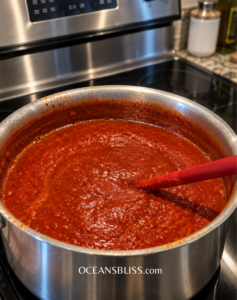
Start with paste tomatoes. It’s one of the easiest tricks. San Marzano, Roma and other paste varieties contain less water, so you’re not standing over a pot for hours trying to reduce gallons of liquid.
You can also combine varieties. I regularly think of preserving as using what the garden gives me rather than insisting every tomato in a batch look identical.
What you shouldn’t do is add flour, cornstarch or other thickeners to a home-canned tomato recipe unless the tested recipe specifically calls for it.
If you want it thicker, you can always reduce or thicken it after opening.
Herbs + Spices Give You More Room to Play
This is where I prefer to build flavour. Depending on the tested recipe, dried herbs and spices may offer more flexibility than adding extra low-acid vegetables.
Think basil, oregano, thyme, chili flakes and other dried seasonings. I also love using fresh herbs.
Don’t Forget Green Tomatoes
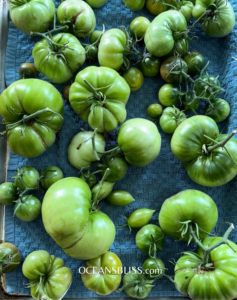
Green tomatoes aren’t wasted tomatoes. They’re actually more acidic than ripe tomatoes and can be preserved using your favourite green tomato recipes:
– Green tomato relish
– Salsa
– Pickles
– Chutney
It’s a great way to use the last tomatoes of the season instead of waiting for every single one to ripen indoors.
Freeze Tomatoes When You Can’t Keep Up
This might be my favourite tomato season sanity saver. If the tomatoes are coming in faster than I can process them, I freeze them and deal with them later.
Freezing destroys their firm texture, so they’re much better suited to cooked products such as sauces than something where you want a firm whole tomato.
It lets you collect enough tomatoes for one large sauce-making day instead of making tiny batches every few days.
Think Beyond Basic Tomato Sauce
A pantry full of identical jars isn’t necessarily the most useful way to preserve a big tomato harvest.
I like thinking about how we’ll actually cook through winter.
A tomato harvest can become:
– Whole tomatoes
– Crushed tomatoes
– Tomato juice
– Thick tomato sauce
– Tomato paste
– Salsa
– Ketchup
– Tomato jam
– Soup or cooking bases from tested recipes
Then I have ingredients rather than just one finished product.
- A Few Pro Tips
Use a food mill. If you make a lot of sauce, juice or paste, it can save an incredible amount of peeling and seeding work where the tested method allows it. - Keep varieties separate when it makes sense. Save your meatiest paste tomatoes for thick sauces and use the really juicy slicers for juice and crushed tomatoes.
- Mix varieties when flavour matters. A mixture of ripe garden tomatoes can make a beautiful sauce.
- Don’t over-blanch. As soon as the skins loosen, get the tomatoes out.
- Acidify each jar individually. It makes it easy to know that every jar received the correct amount.
- Leave the correct headspace. More isn’t better.
- Wipe your rims well. Tomato pulp on a jar rim can interfere with sealing.
- Don’t double thick recipes unless the tested instructions allow it. Make another batch instead.
- Know your altitude. Processing times and pressure requirements change with elevation.
- Label the variety or product. By next summer you’ll know which tomatoes made your favourite sauce.
My Basic Tomato Canning Checklist
Before I start, I make sure I have:
✓ Firm, ripe tomatoes
✓ Clean canning jars
✓ New lids
✓ Bottled lemon juice or citric acid
✓ Jar funnel
✓ Jar lifter
✓ Bubble remover/headspace tool
✓ Large pot
✓ Water-bath or pressure canner
✓ Kraft Labeling Tape
✓ Food mill if I’m making sauce, juice or paste
✓ A current tested recipe
✓ The correct processing instructions for my altitude
DIY Disclaimer: This content is shared for informational, inspirational and educational purposes only.Please use appropriate safety precautions and your own judgment when attempting any project. We are not liable for any injury, damage, or loss resulting from use of this information. This guide reflects the methods I personally use in my own home.


Featured Product
‘Harvest-to-Jar’
Realistic Canning Yields: Fruits & Vegetables
Two-page downloadable guide with bonus content!