Share The Bliss
How to Make Fire Cider + 4 Seasonal Variations
Share The Bliss
Hello Beautiful Friends!
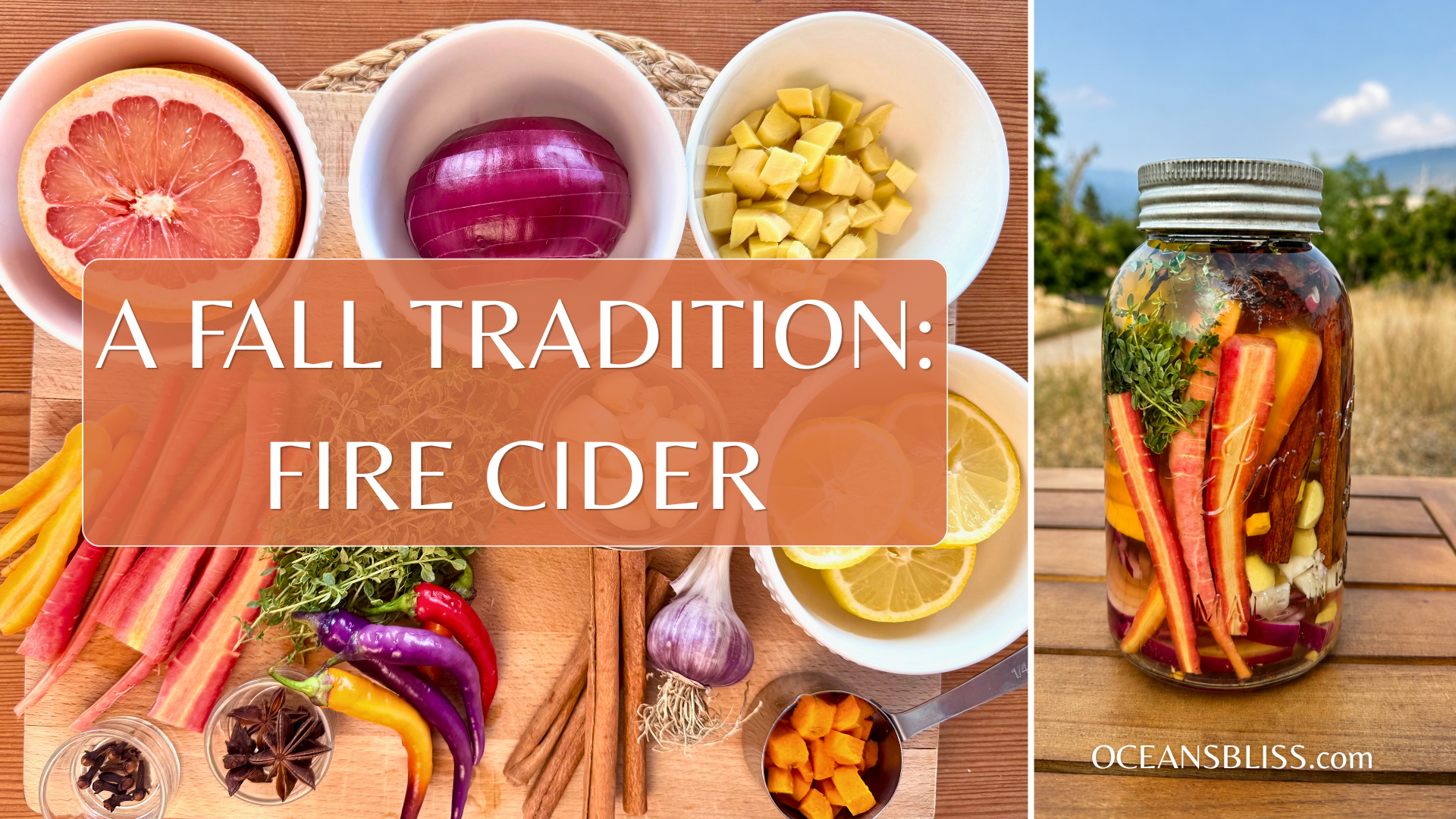
Every fall, I start thinking about the things I want stocked before cold season actually arrives and fire cider is one of them! It’s spicy, warming, tangy and packed with some pretty potent ingredients: fresh garlic, ginger, turmeric, hot peppers, citrus, herbs and apple cider vinegar. Many of these ingredients have been studied individually for their antioxidant, anti-inflammatory or antimicrobial properties.
For me, it’s simply one of those old-fashioned preparations that makes sense to have ready for fall and winter. And honestly, it looks much more complicated than it is. Chop. Fill a jar. Cover with vinegar. Wait. Strain. That’s basically it.
I always say, it’s work to stay healthy, and it’s also work to be sick… so pick your work.
My Classic Fire Cider:
(Use organic ingredients when possible.)
– 1 small red onion, sliced
– 1 pink grapefruit, sliced
– 1 lemon, sliced
– ½ cup fresh ginger, chopped
– ½ cup fresh turmeric, chopped
– ¼ cup carrots, sliced
– 1 small bunch fresh rosemary
– 1 small bunch fresh thyme
– Fresh hot peppers, to your preferred heat
– ½ cup garlic cloves, peeled and smashed
– 3–4 cinnamon sticks
– 8 whole cloves
– 4 star anise pods
– Raw, unfiltered apple cider vinegar, enough to cover
– Raw honey or maple syrup, optional, after straining
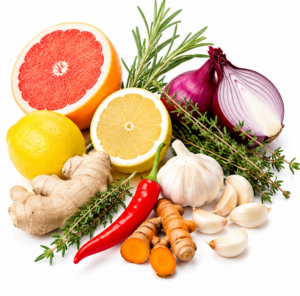
How to Make Fire Cider
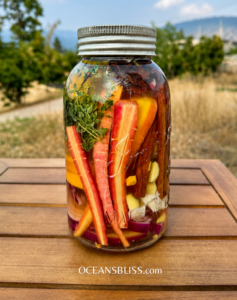
1. Pack your ingredients into a clean glass jar. There’s no need for it to look perfect, but it’s also fun to make it pretty… who doesn’t love a pretty jar filled with colours!
2. Pour apple cider vinegar over everything until the ingredients are completely submerged. If you’re using a metal lid, put a piece of parchment paper between the jar and lid to keep the vinegar from coming into contact with the metal.
3. Store the jar in a cool, dark cupboard for about 3–4 weeks, giving it a shake every day or two. Keep the ingredients submerged in the vinegar while they infuse.
4. When it’s ready, strain it really well, pressing out as much liquid as possible.
5. This is when I add a little raw honey or maple syrup. You can leave it fiery or sweeten it enough to soften that vinegar bite.
6. Transfer to a clean bottle or jar and refrigerate.
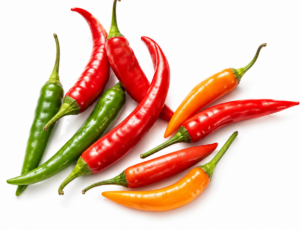
How To Use It
A spoonful or two is plenty for me. You can take it straight, dilute it in a little water, mix it into warm water or even use it in homemade salad dressing.
The nice thing about making your own is that you can change the ingredients depending on the season and what you have growing.
OTHER VARIATIONS:
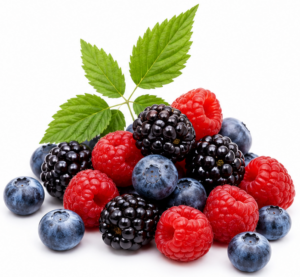
Berry Fire Cider:
For a fruitier version, add berries to your basic fire cider. Think blueberries, strawberries, blackberries, raspberries, mulberries or cranberries.
They bring another layer of flavour and naturally occurring plant compounds, while taking some of the sharpness out of the traditional recipe.
I still keep the foundational ingredients from the classic recipe like ginger, turmeric, garlic and a little hot pepper in this one so it actually tastes like fire cider.
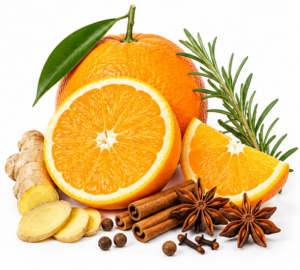
Fall Spiced Orange Fire Cider:
This one just tastes like fall. Use orange instead of grapefruit, then add plenty of rosemary, cinnamon and whole allspice berries. Ginger and turmeric work beautifully here too. It has that warming, spicy orange smell that feels right once the mornings start getting cooler.
Try: Orange + ginger + turmeric + rosemary + cinnamon + allspice + garlic + hot pepper
Winter Elderberry Fire Cider
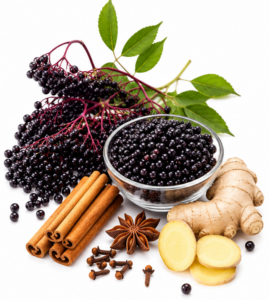
Once winter comes, I like the idea of making a darker, richer version with dried elderberries. Combine elderberries with ginger, cinnamon, cloves, orange, garlic and your hot peppers. Elderberries have a long history of traditional use during cold season and contain anthocyanins and other antioxidant plant compounds.
Just remember that elderberries should be properly prepared rather than eaten raw.
Make It Your Own
There really doesn’t need to be one perfect fire cider recipe.
Use what grows in your garden. Use what you can find locally. Make one spicy, another citrusy and another filled with warming winter spices.
That’s part of why I love preparations like this. They bring us back to using what we have, working with the seasons and making something now that will be waiting for us later.
Make it in late summer or early fall, tuck it into the cupboard, and let it become part of your fall tradition.
Note: Fire cider is a traditional food preparation and is not intended to diagnose, treat, cure or prevent illness. Some ingredients can interact with medications or may not be appropriate during pregnancy or for certain health conditions. Use according to your individual needs and seek medical advice when appropriate.
DIY Disclaimer: This content is shared for informational, inspirational and educational purposes only.Please use appropriate safety precautions and your own judgment when attempting any project. We are not liable for any injury, damage, or loss resulting from use of this information. This guide reflects the methods I personally use in my own home.

Featured Product
‘Harvest-to-Jar’
Realistic Canning Yields: Fruits & Vegetables
Two-page downloadable guide with bonus content!