Share The Bliss
How to Store Root Vegetables for Winter

Share The Bliss
Hello Beautiful Friends!
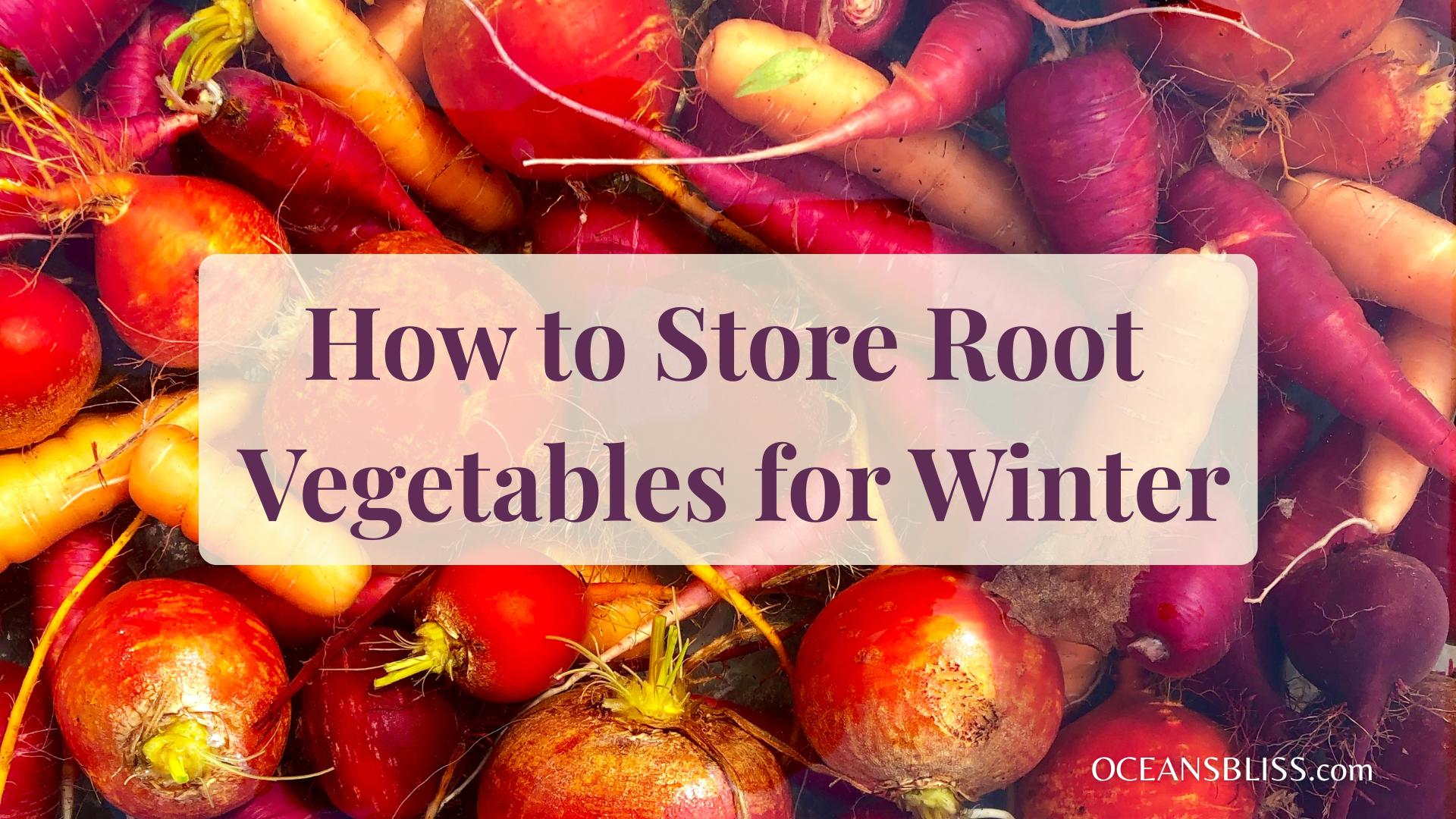
Every fall I harvest the vegetables that can feed my small family through winter. A root cellar or cold room doesn’t need to be complicated. With the right crops and a few simple storage methods, food can keep for months with almost no effort.
Welcome back to Oceans Bliss Portal! I’ve previously posted how I store carrots in sand, which is one of the oldest and most reliable methods. After harvesting, I brush off the soil and layer the carrots in a box with slightly damp sand. Each layer is covered so the roots aren’t touching. The sand keeps the humidity high and prevents the carrots from shriveling. Stored in a cool cellar, they stay crisp for months.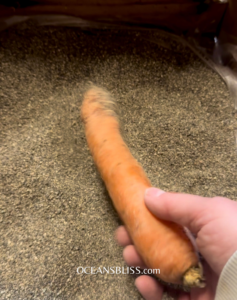
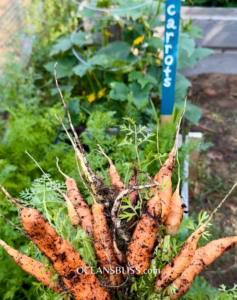
This same simple approach works for several other fall vegetables.
Common garden vegetables that store well in a root cellar include:
- Carrots
- Beets
- Parsnips
- Turnips
- Rutabaga
- Celeriac (celery root)
- Potatoes
- Onions
- Garlic
- Winter squash
- Cabbage
Root vegetables like carrots, beets, parsnips, and turnips store best packed in sand or sawdust. The moisture keeps them firm and prevents rot.
Potatoes prefer darkness and good airflow, usually stored in crates or bins.
Onions and garlic store best when cured first and then kept dry in mesh bags or baskets.
Winter squash and cabbage can simply sit on shelves in a cool space as long as temperatures stay low and steady.
A traditional root cellar works because it stays cool, dark, and slightly humid. These simple conditions slow down the natural aging of vegetables.
It’s an old simple system, but it works incredibly well. A few boxes of sand, a cool room, and a good fall harvest can carry a family a long way into winter.

Featured Product
‘Harvest-to-Jar’
Realistic Canning Yields: Fruits & Vegetables
Two-page downloadable guide with bonus content!